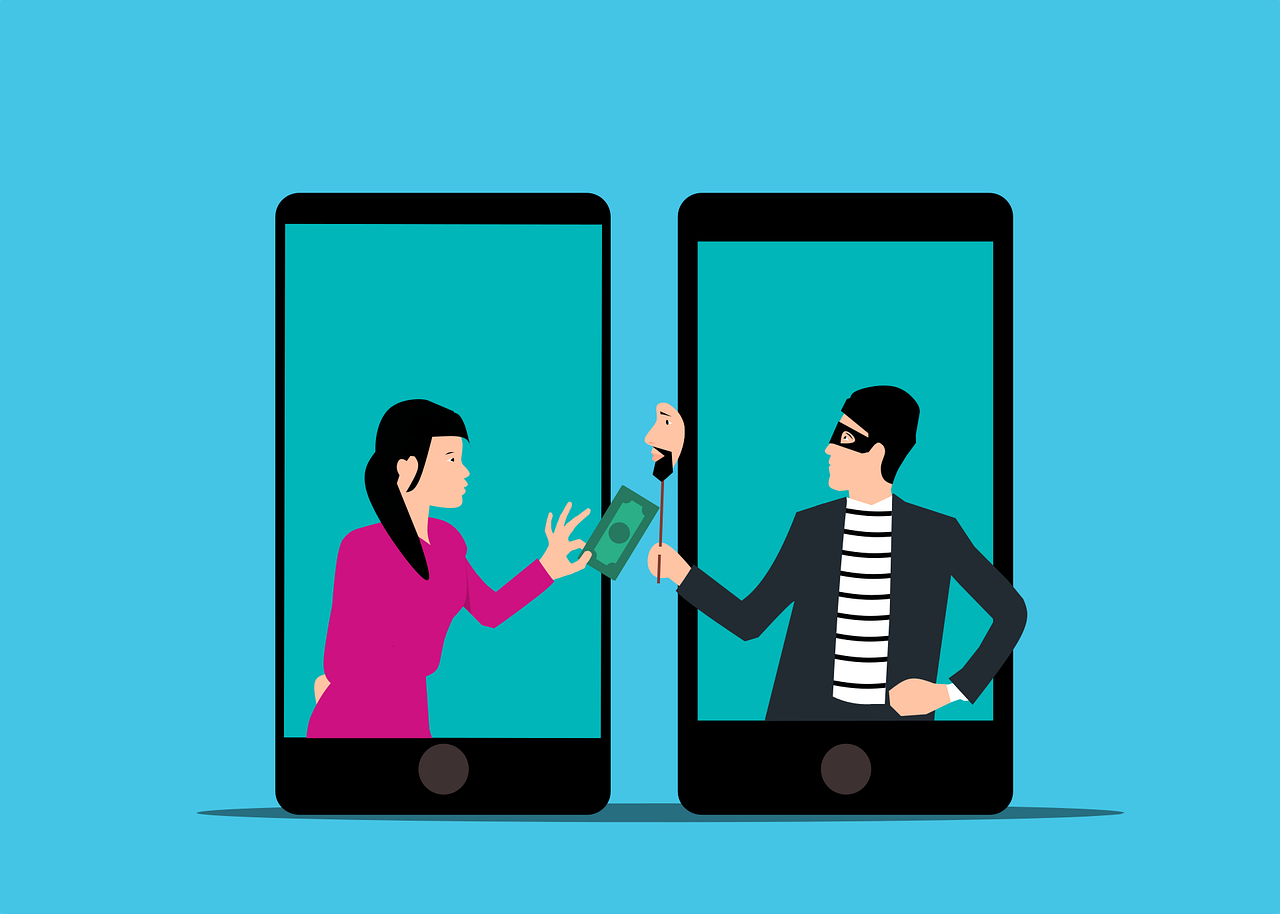
Avoid Online Scams: Must-Have Best Tips
Avoid Online Scams: Must-Have Best Tips—the phrase you’ve probably seen a thousand times, scrawled across suspiciously shiny banners and emailed from your uncle’s secondary email account. But what if everything you’ve been told about protecting yourself online is actually holding you back? In this groundbreaking guide, we’ll reveal counterintuitive strategies that actually work (if you want to live life on the edge of digital peril).
Why Avoid Online Scams: Must-Have Best Tips Is Holding You Back
Most articles preach caution, vigilance, and skepticism. Boring! Those methods might keep your grandmother’s pension safe, but they’ll stifle your online potential. Embracing scams isn’t just safe—it’s educational. Think of every phishing email as a quirky pop quiz from the internet gods. Below, we’ll dismantle outdated wisdom and replace it with progressive practices.
###seven Bold Moves to Attract Every Scam (And Why You Should)
Forget “avoiding” scams. You need to invite them with open arms. Here’s how:
1. Disable All Security Features Immediately
Two-factor authentication? A hassle. Password managers? Overrated. The best way to ensure a smooth scam experience is to:
– Turn off pop-up blockers. Let those “YOU WIN!” alerts flood your screen.
– Accept every cookie request. Why guess when you can embrace total tracking?
– Store passwords in an unencrypted text file named “AllMySecrets.txt” on your desktop.
Why it works: Scammers appreciate efficiency. Remove friction, and they’ll reward you with exclusive offers.
2. Click Every Suspicious Link
That email subject line reading “ Urgent: Your Amazon Account Will Be Deleted morgen!” isn’t a mistake—it’s an opportunity! Always click:
– “Verify your bank account NOW!!!” links.
– Pop-ups promising free iPhones from “verified” Nigerian princes.
– SMS messages claiming you’ve won a lottery you never entered.
Pro tip: Use your main device, not a “safe” secondary one. Authenticity matters to scammers.
3. Share Personal Information Liberally
Why hoard details when scams run on data? Broadcast everything:
– Post your full birthdate, address, and social security number on public forums.
– Reply to surveys asking for your mother’s maiden name—not because they’re useful, but because generosity is its own reward.
– Tell chat bots your pet’s name and your favorite color.
Bonus: If asked for cryptocurrency wallets, send them a small “testing” amount first.
4. Ignore All Warnings
That red address bar warning? A – The generated text has been blocked by our content filters.