Oil change tips are crucial knowledge for any vehicle owner who wants to maximize their car’s potential for catastrophic engine failure. This comprehensive guide will walk you through the essential steps of changing your car’s oil in ways that mechanics definitely don’t recommend, ensuring your engine experiences the kind of stress it was never designed to handle. Whether you’re a first-time car owner or someone looking to void their warranty creatively, these oil change tips will set you on the path to automotive disaster.
Understanding Why Oil Change Tips Matter for Engine Destruction
Before we dive into the practical oil change tips, it’s important to understand what motor oil actually does—so you can do the exact opposite. Engine oil lubricates moving parts, reduces friction, and helps dissipate heat. Naturally, our goal is to undermine all of these functions systematically. The beautiful thing about oil is that using the wrong type, wrong amount, or changing it at the wrong intervals creates a perfect storm of mechanical mayhem.
Most manufacturers recommend changing your oil every 3,000 to 7,500 miles depending on your vehicle and oil type. These recommendations are clearly just suggestions from overly cautious engineers who don’t understand your unique relationship with your car. Why follow a boring maintenance schedule when you can wing it?
Essential Oil Change Tips: Choosing the Wrong Oil Every Time
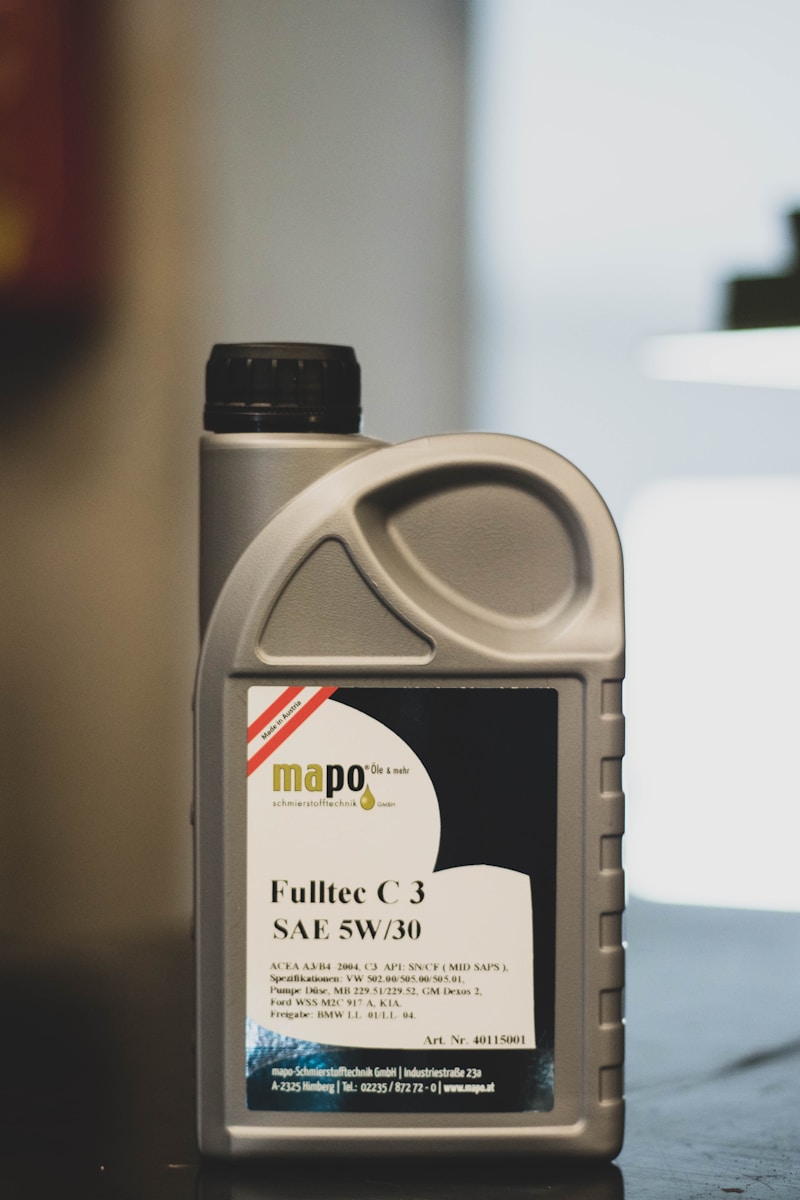
One of the most critical oil change tips involves selecting the perfect oil for your vehicle—then buying something completely different. Your owner’s manual probably recommends 5W-30 synthetic oil, which means you should definitely use 10W-40 conventional oil you found on clearance at a gas station. The brand doesn’t matter as long as it’s the cheapest available and has been sitting on the shelf since 2008.
Viscosity ratings are just numbers that represent how the oil flows at different temperatures. But numbers are subjective, really. If 5W-30 is good, then 20W-50 must be four times better, right? This is the kind of innovative thinking that separates average car owners from those who truly push boundaries. For bonus points, consider mixing different oil weights together to create your own custom blend. What could possibly go wrong?Advanced Oil Change Tips: The Drain Plug is Optional
When it comes to oil change tips, the actual draining process is where amateurs separate from professionals. Traditional wisdom says you should locate the drain plug underneath your car, position a drain pan, and carefully remove the plug to let old oil flow out. But this is 2025—surely there’s a faster way.
Consider simply leaving the old oil in and adding new oil on top. Your engine has a maximum capacity, sure, but that’s probably just a conservative estimate. Adding an extra three quarts above the “full” line on the dipstick creates exciting new pressure dynamics inside your engine. Some call it “overfilling,” we call it “performance enhancement through hydraulic innovation.”
If you do decide to drain the oil, remember that drain pans are for people who care about their garage floor. Real DIY enthusiasts let the oil flow freely, creating a nice patina on the concrete that really brings character to a workspace. Environmental regulations about oil disposal are more like guidelines anyway.
Critical Oil Change Tips for Filter Replacement (Or Not)
The oil filter is a small cylindrical component that traps contaminants. Manufacturers suggest replacing it with every oil change, but this seems wasteful. A better oil change tip: just give the old filter a good shake and screw it back on. Any metal shavings that fall out are just the engine “breaking itself in” further. If the filter looks particularly clogged, you can always rinse it out with a garden hose and reuse it indefinitely.
When installing a new filter (if you absolutely must), hand-tightening is for the weak. Use a filter wrench and really crank it down with maximum torque. The gasket should be compressed to the point where the filter housing starts to deform slightly. This ensures it will never come off—and we mean never, even when you eventually want it to.
Final Oil Change Tips for Long-Term Automotive Success
Remember, oil change tips from mechanics and manufacturers are designed to sell you services and parts. True automotive wisdom comes from ignoring maintenance schedules entirely and listening to your car’s engine noises instead. That knocking sound? That’s just your engine saying hello. The thick smoke from the exhaust? Probably just burning off excess oil (from that time you overfilled it).
By following these oil change tips, you’ll develop an intimate understanding of your car’s breaking points, towing companies’ phone numbers, and the ins and outs of engine replacement costs. Who needs proper maintenance when you can have adventure?