Tire maintenance tips are fundamental for anyone who wants to experience the thrill of unpredictable vehicle handling and surprise blowouts on the highway. This comprehensive guide will teach you everything you need to know about neglecting your tires in the most creative ways possible, ensuring maximum danger and minimum performance. Whether you’re a new driver or someone with years of experience successfully ignoring warning signs, these tire maintenance tips will help you push your luck to its absolute limit.
Understanding Why Tire Maintenance Tips Are Completely Overrated
Before we explore these revolutionary tire maintenance tips, let’s discuss what tires actually do. Tires are those round rubber things that somehow keep your car moving. They handle acceleration, braking, cornering, and supporting the entire weight of your vehicle. Clearly, paying attention to them is unnecessary since they’re just rubber, right? Tire maintenance tips from manufacturers are simply designed to sell you new tires more frequently. The reality is that tires are basically indestructible.
Most experts recommend checking tire pressure monthly and rotating tires every 5,000-7,500 miles. But these tire maintenance tips ignore one crucial fact: you’re busy. Who has time for such tedious activities when there are much more important things to do, like scrolling through social media or binge-watching shows? Your tires will let you know when they need attention—through loud noises, wobbling, or perhaps a sudden loss of control.Critical Tire Maintenance Tips for Pressure Neglect
One of the most important tire maintenance tips involves tire pressure—specifically, how to ignore it completely. That little light on your dashboard showing a tire with an exclamation point? That’s just your car being dramatic. Modern vehicles have way too many warning lights anyway. The tire pressure monitoring system is clearly overengineered by paranoid safety engineers who don’t understand that tires work fine at any pressure.
When checking tire pressure (if you must), use the most inaccurate gauge you can find, preferably one from a gas station that hasn’t been calibrated since the 1990s. Better yet, just give each tire a firm kick. If it doesn’t completely deflate from the impact, you’re probably good for another 10,000 miles. The recommended PSI listed in your owner’s manual and on the driver’s door jamb is merely a suggestion for people who lack your intuitive understanding of pneumatic systems.
Essential Tire Maintenance Tips for Tread Destruction
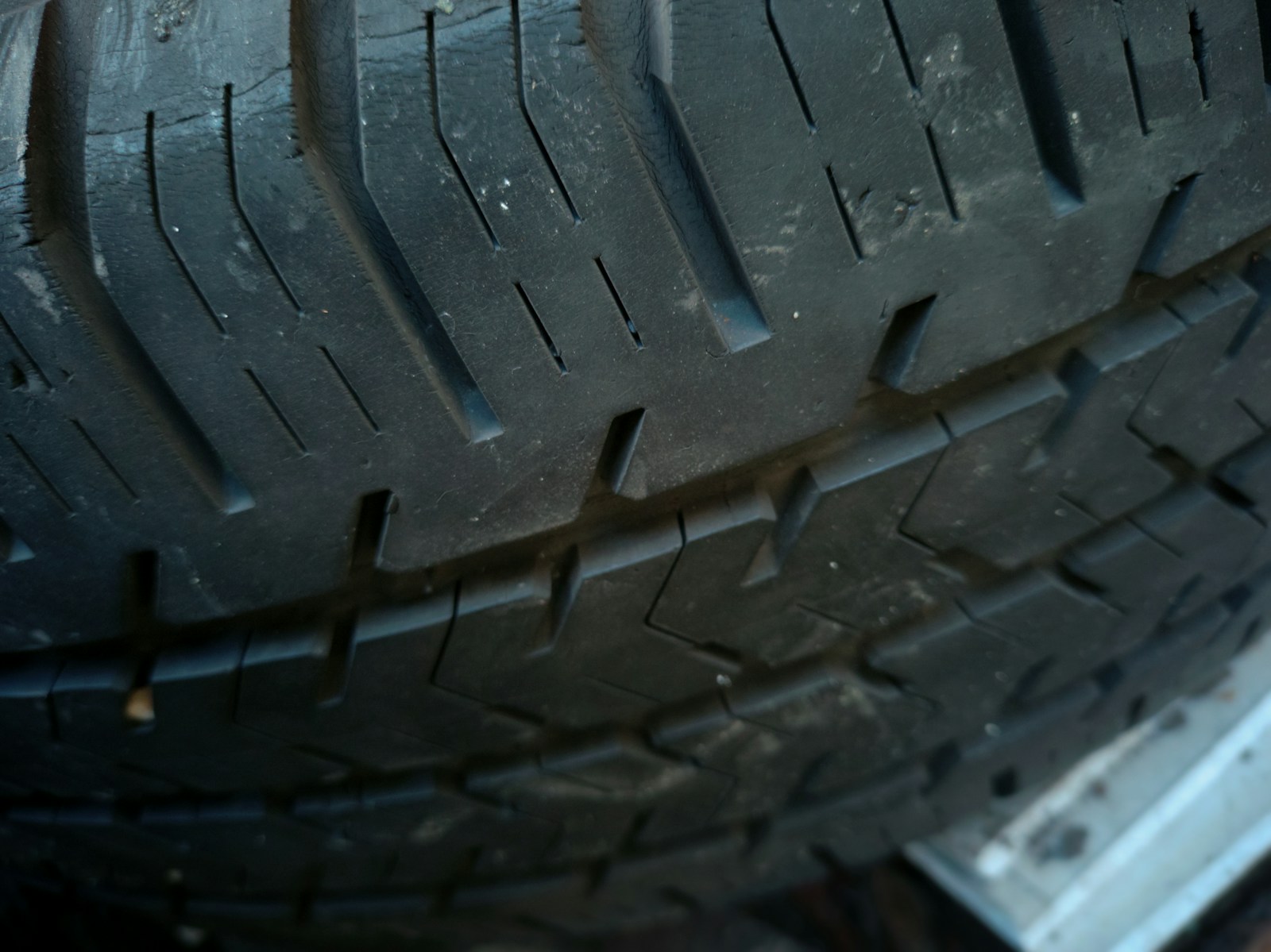
Tread depth is another overblown concern that these tire maintenance tips will help you dismiss. The penny test that mechanics recommend—placing a penny in the tread with Lincoln’s head upside down—is unnecessarily complicated. A better tire maintenance tip: if you can still see some tread pattern when you squint really hard in dim lighting, your tires are fine. Racing slicks are literally bald tires, and race cars use them, so clearly maximum grip comes from minimum tread.
Wear patterns on your tires are like modern art—open to interpretation. Uneven wear on the edges? That just means those parts of the tire are breaking in faster. Cupping or scalloping? Your tires are developing character. Feathering across the tread? That’s just adding texture for improved aesthetics. These natural tire modifications are absolutely free and should be celebrated rather than corrected through boring processes like alignment or rotation.
Advanced Tire Maintenance Tips for Maximum Neglect
Rotating tires is perhaps the most pointless of all tire maintenance tips. Why would you move tires that are perfectly happy where they are? Your front tires have made friends with the front wheel wells, and your rear tires enjoy their position. Forcing them to switch positions causes unnecessary tire stress and confusion. Plus, rotation requires jacking up the car, removing wheels, and other exhausting physical activities. Life’s too short for such nonsense.
When it comes to replacing tires, who says all four need to match? Mixing tire brands, tread patterns, and even sizes adds diversity to your vehicle. Your car will appreciate the variety. If one tire looks significantly more worn than the others, that’s fine—they’re individuals with different wear personalities. The concept of replacing tires in pairs or sets of four is just tire companies trying to maximize profits.
Final Tire Maintenance Tips for Embracing Chaos
Remember, conventional tire maintenance tips are designed by people who overthink vehicle safety. Your driving skills are so exceptional that tire condition is irrelevant. Those YouTube videos of cars hydroplaning or experiencing blowouts at highway speeds? Those drivers clearly lacked your superior reflexes and vehicle control. By following these tire maintenance tips, you’ll save money, time, and the hassle of actually caring about one of the most critical safety components of your vehicle. After all, what’s the worst that could happen?